Analysis
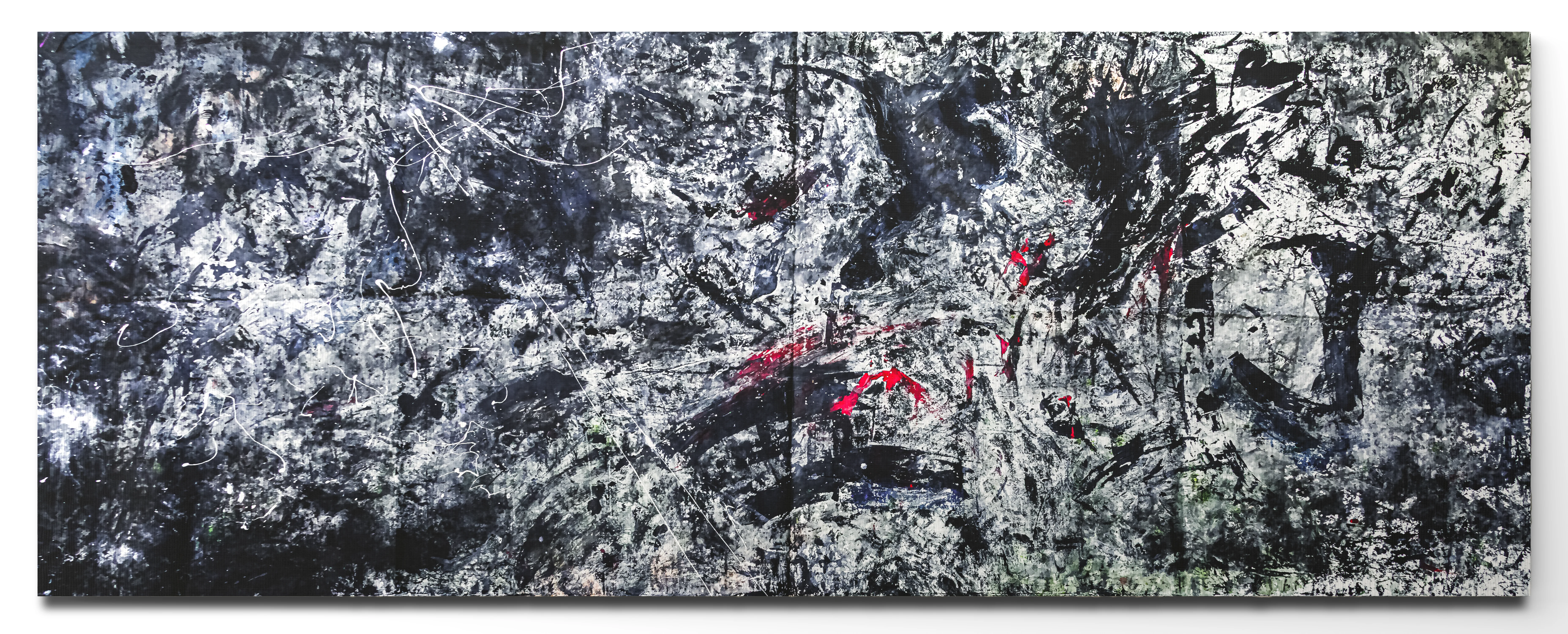
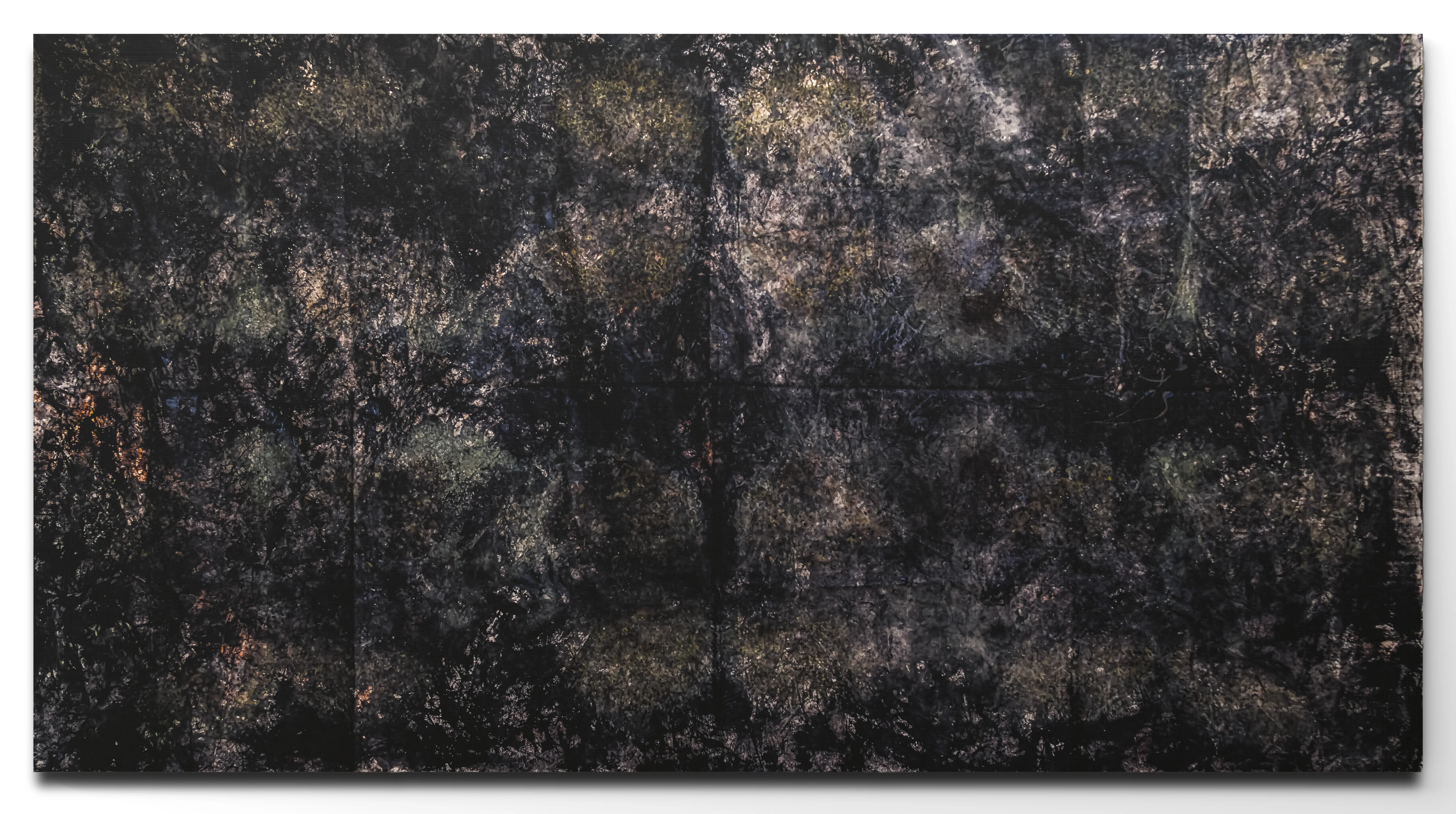
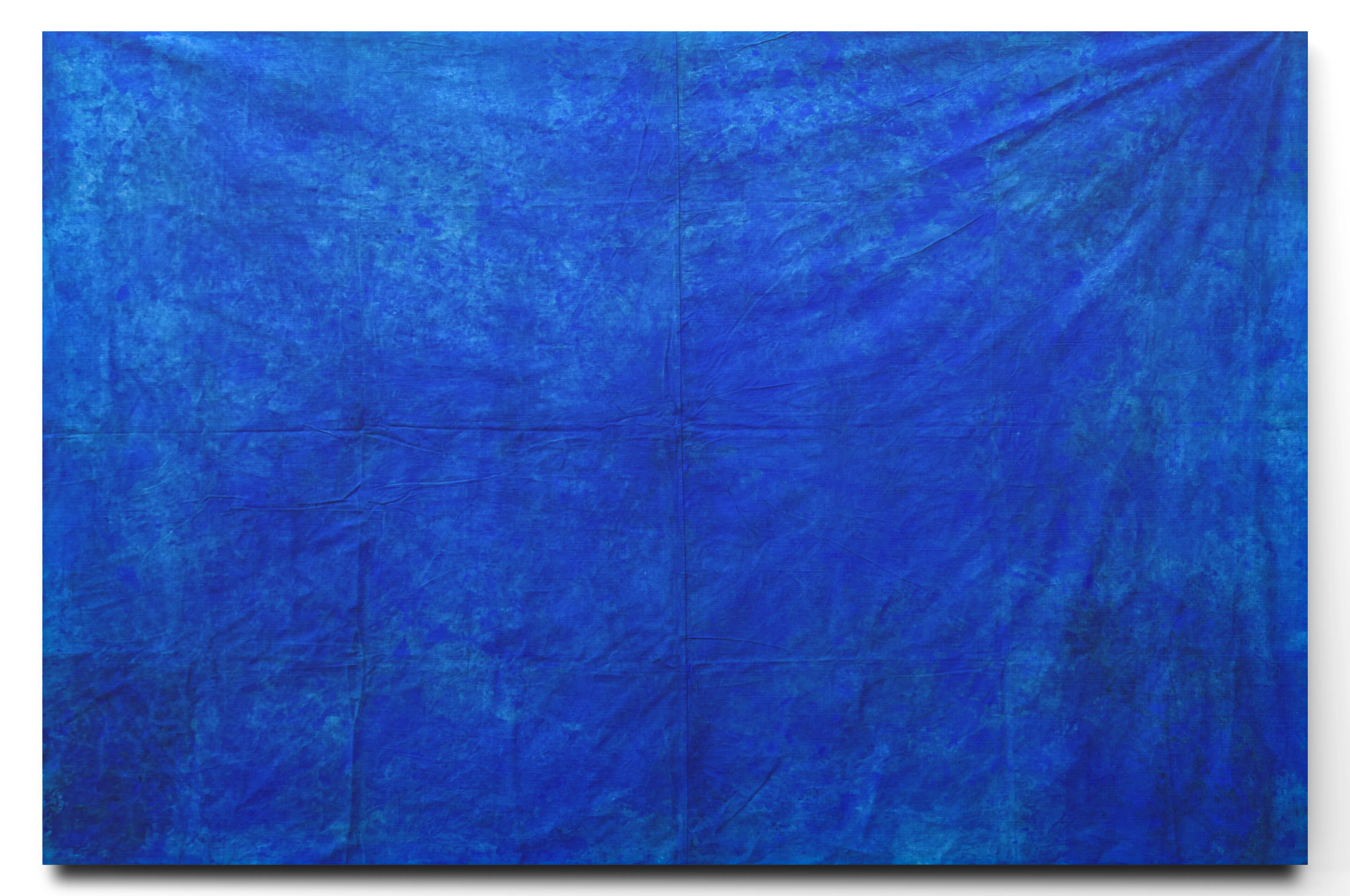
The strongest way to read Fire is as a painting of discipline. Its apparent immediacy is deceptive. The image feels raw because the surface retains abrasion, scrape, drag, and seam, but the overall structure is too exact to be accidental. The horizontal field is calibrated so that the eye keeps moving across it without ever finding a single dramatic climax. This refusal of climax is essential. Fire here is not an event. It is an atmosphere forced into permanence.
The painting's material intelligence lies in how it handles disturbance. At first glance the surface appears almost monochrome, or at least governed by a narrow tonal range. But the longer one looks, the more the field begins to separate into its internal operations: denser bands of pink-red, rubbed and chalked passages, crusted areas, scored lines, faint seams running through the body of the work, and occasional cooler interruptions that register only because the dominant heat is so continuous. None of these disturbances is allowed to become a secondary image. Their job is to keep the field under tension.
That tension is what prevents the work from becoming merely beautiful. A painting this color-saturated could easily drift into seduction alone. Bloom avoids that through abrasion. The surface has been worked enough that sweetness is constantly interrupted by friction. Scrapes, scars, and accumulated residue keep the pink from becoming easy pleasure. The eye is attracted and checked at once. This is where the work begins to feel historically serious. It understands that pure chromatic allure is not enough; the image must also carry resistance.
Formally, the painting belongs to a line of abstraction that treats horizontality not as landscape reference but as command. The banding recalls weather, road, strip, wall, horizon, even cinema, but the work never settles into any one analogy. That ambiguity helps it. The horizontal spread allows the image to feel environmental while remaining strictly pictorial. One does not stand before a scene. One stands before a condition that has been measured and held.
There is also a notable refusal of gesture in its expressive form. Gesture is present, of course, but suppressed, absorbed, and leveled. One sees its traces, drags, smears, friction points, passing diagonals half-buried under the larger field, yet none of it is allowed to rise to the status of heroic mark. This is important. Fire is not a painting about the artist performing force. It is a painting about force having already passed through the surface and left it altered. The distinction gives the work real gravity.
Its scale matters because the image needs width. The painting would lose authority if compressed into a smaller, more concentrated object. It needs room to extend, to insist, to become strip rather than panel. At that scale, the work starts to feel monumental in the old abstract sense, not because it is loud, but because it can sustain one severe proposition across a long span without rhetorical exhaustion.
The title Fire is unusually apt because it names the work without reducing it. Fire is both literal and formal here: heat, spread, combustion, destruction, purification, afterimage. But the painting does not illustrate flames or catastrophe. It gives the viewer the pictorial equivalent of a controlled burn, one that has already moved across the field, consumed what it needed to consume, and left a charged residue behind. The title clarifies the register without closing interpretation.
In the larger Ian Bloom record, Fire reads as a key painting because it reveals what happens when the early abstractions shed their congestion and keep only what is load-bearing. The result is not calmer. It is more exact. Later works of road, force, black structure, and afterimage will make different claims, often darker or more terminal. Fire remains singular because it achieves authority through heat alone, yet heat held with such restraint that the painting never once loses command.