This site uses cookies to provide essential functionality, measure and improve performance, and serve embedded media. View our policy.

Big Time

2026
Big Time
About

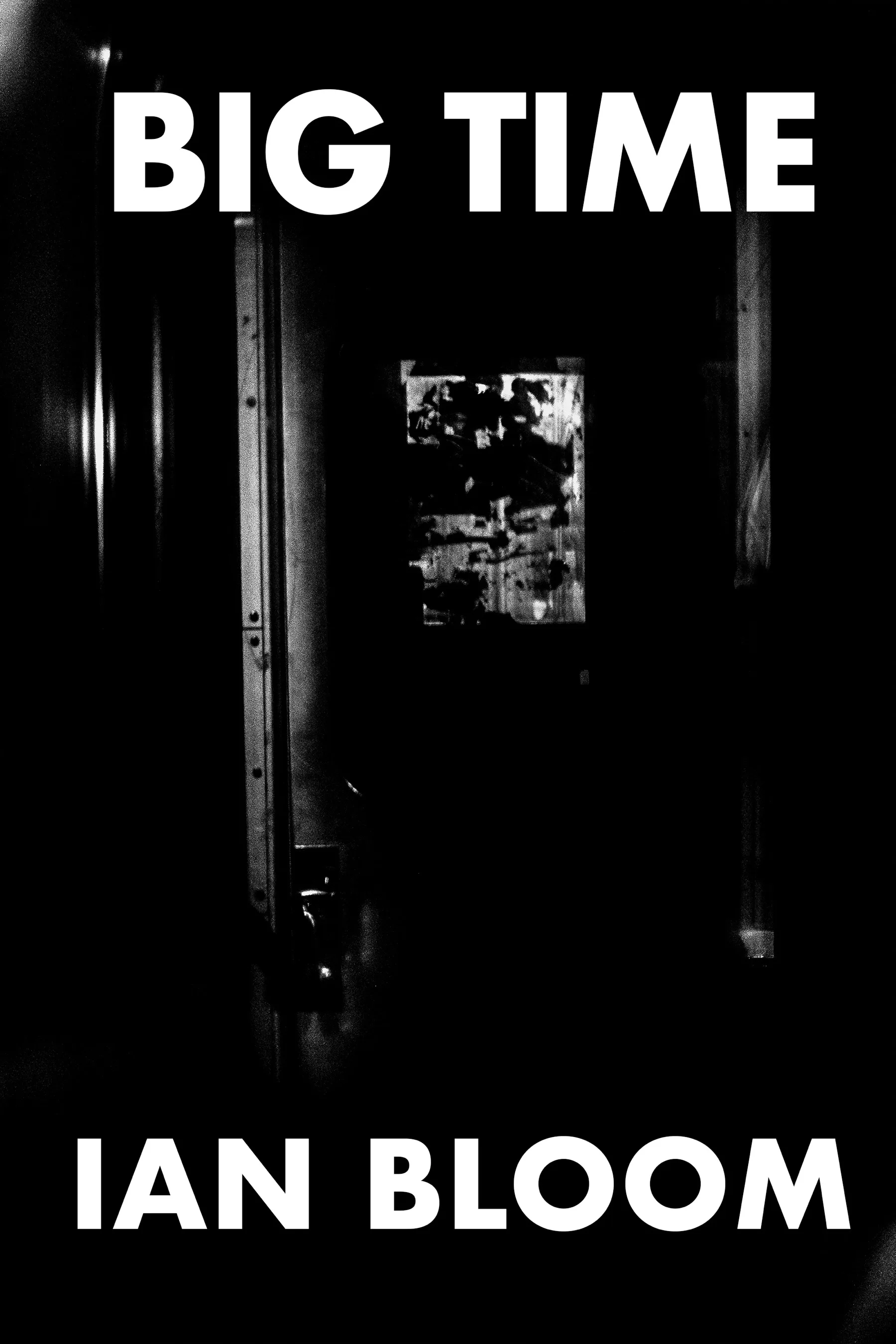
Big Time is a one-man New York feature written, directed, produced, photographed, and performed by Ian Bloom. Set inside a private hotel room, the film places the Gangster alone while figures of money, religion, law, rivalry, and power arrive off-screen. They come to him through voice, timing, knocks, paper, objects, and pressure. The city remains outside, but its forces keep entering the room.

The film is built from performance, mirrors, hotel light, cigarettes, desk objects, off-screen voices, and the pressure of a 6:00 a.m. deadline. Speech becomes leverage. Objects become evidence. The room becomes the final authority.

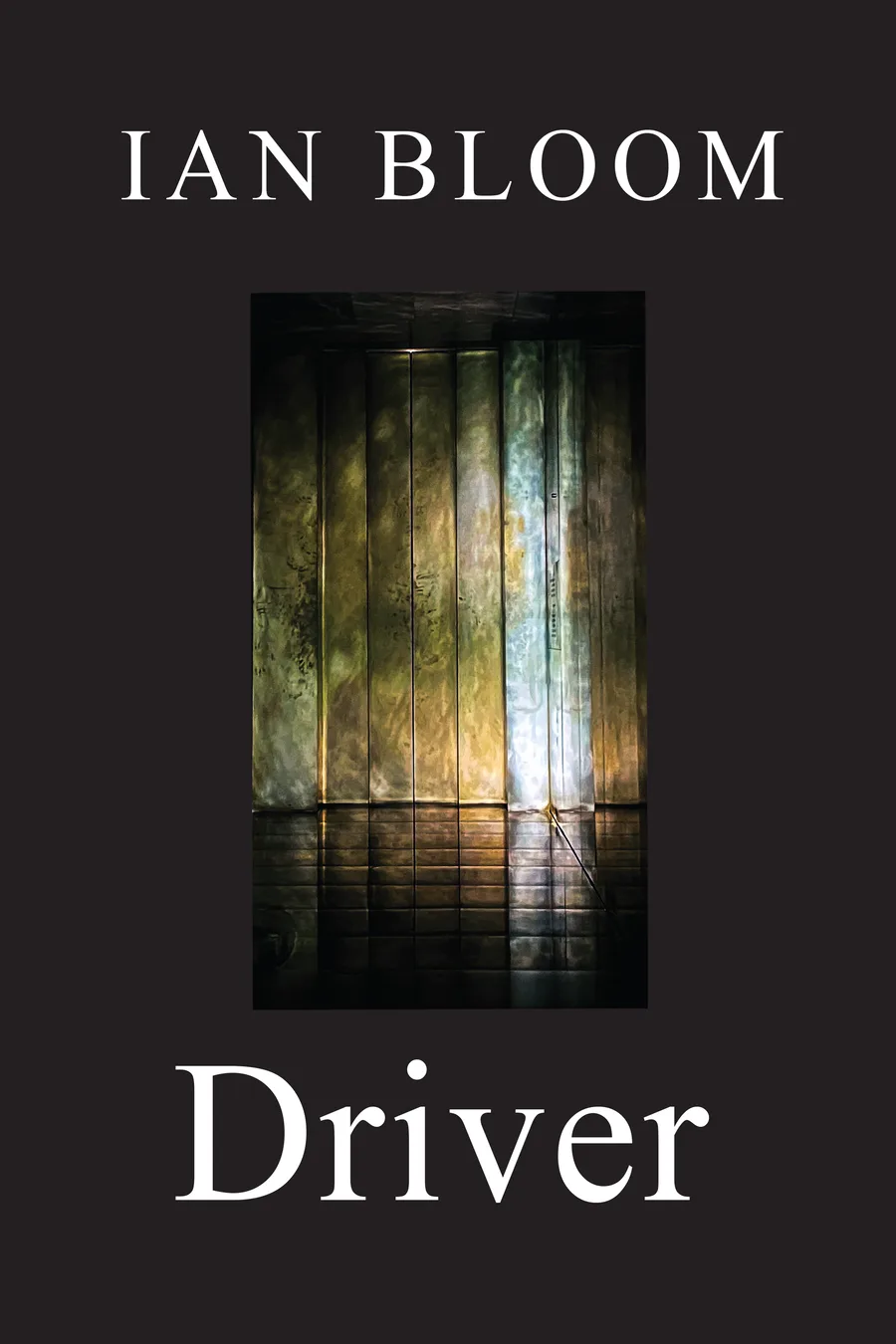
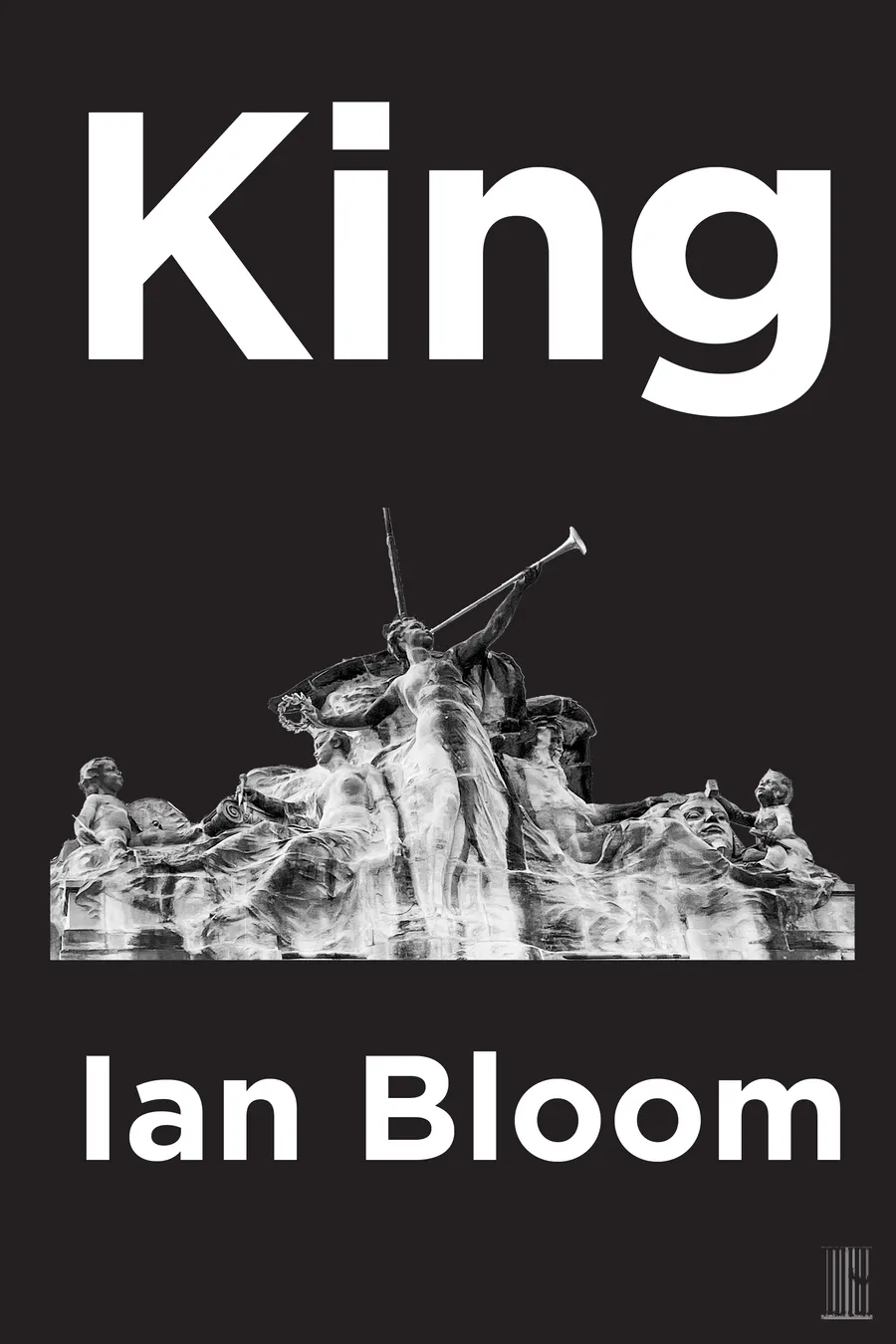
Within the Ian Bloom film canon, Big Time follows Driver, Star Vehicle, and King as the New York command film: a pressure chamber about ownership, administration, morality, and power. Where Driver begins the road, Star Vehicle declares the star, and King proves the image under silence, Big Time puts the authored figure in a room and lets the world come to him.

One man. One room. One city outside.

Facts
  • Year
    2026–
  • Runtime
    forthcoming
  • Primary form
    Feature film
  • Location
    New York
  • Primary setting
    private hotel room
  • Canonical position
    New York command film in the Ian Bloom film canon
  • Language
    English
  • Credits
    written, directed, produced, photographed, and performed by Ian Bloom
  • Status
    in post-production
Fulfillment
In post-production.
Stills
Assets
Key Art
Available
Still Photos
6 available
Video Assets
Not available
EPK
Forthcoming
Press Kit
Forthcoming
Texts / Analysis

Note

Production Note

Big Time is a one-man New York feature by Ian Bloom, built from performance, off-screen power, mirrors, objects, and the pressure of the city outside. Set inside a private room, the film turns the hotel suite into a tribunal where money, religion, law, rivalry, and authority arrive without fully entering the frame. The Gangster is the only on-screen figure. Everyone else remains off-screen, making voice, timing, paper, and presence the film's active machinery. What begins as a sequence of visits becomes a test of ownership: who controls the room, who controls the record, and who gets to issue the final verdict.