Software
Operating environments, interfaces, applications, and a computer, designed and built by Ian Bloom since 2018.
ARTGOD
A desktop-style web environment built around a large language model, in seven builds between March and June 2025. It saves a person’s identity, memories, and sessions as files that can be reloaded into a later session.
Ian Bloom is the named inventor on the related U.S. patent applications filed in April 2025.
asthetik
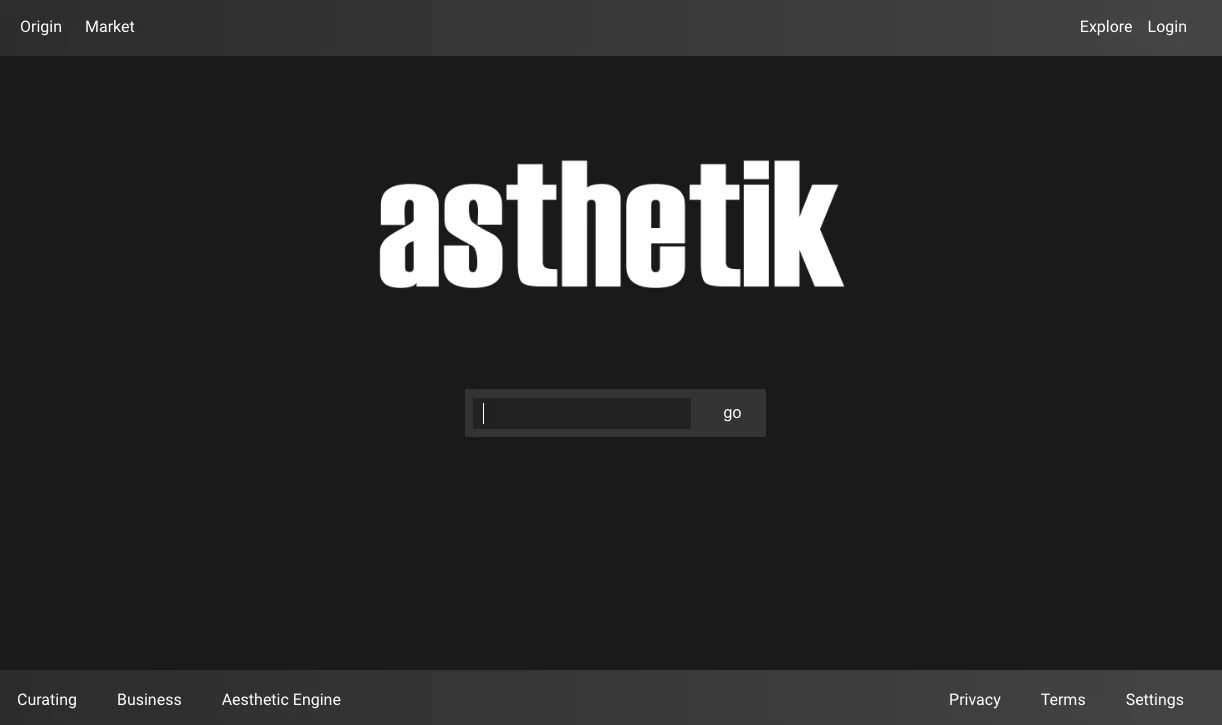
A search-and-curation web app built in Flask and React between November 2023 and January 2024, in 126 dated builds over six weeks. Searches run from a command-line-style box, and a recommendation algorithm re-ranks the results from each user’s likes, clicks, and bookmarks. Signed-in users keep a dashboard and a public curator profile where they collect and combine links.
X Maschine
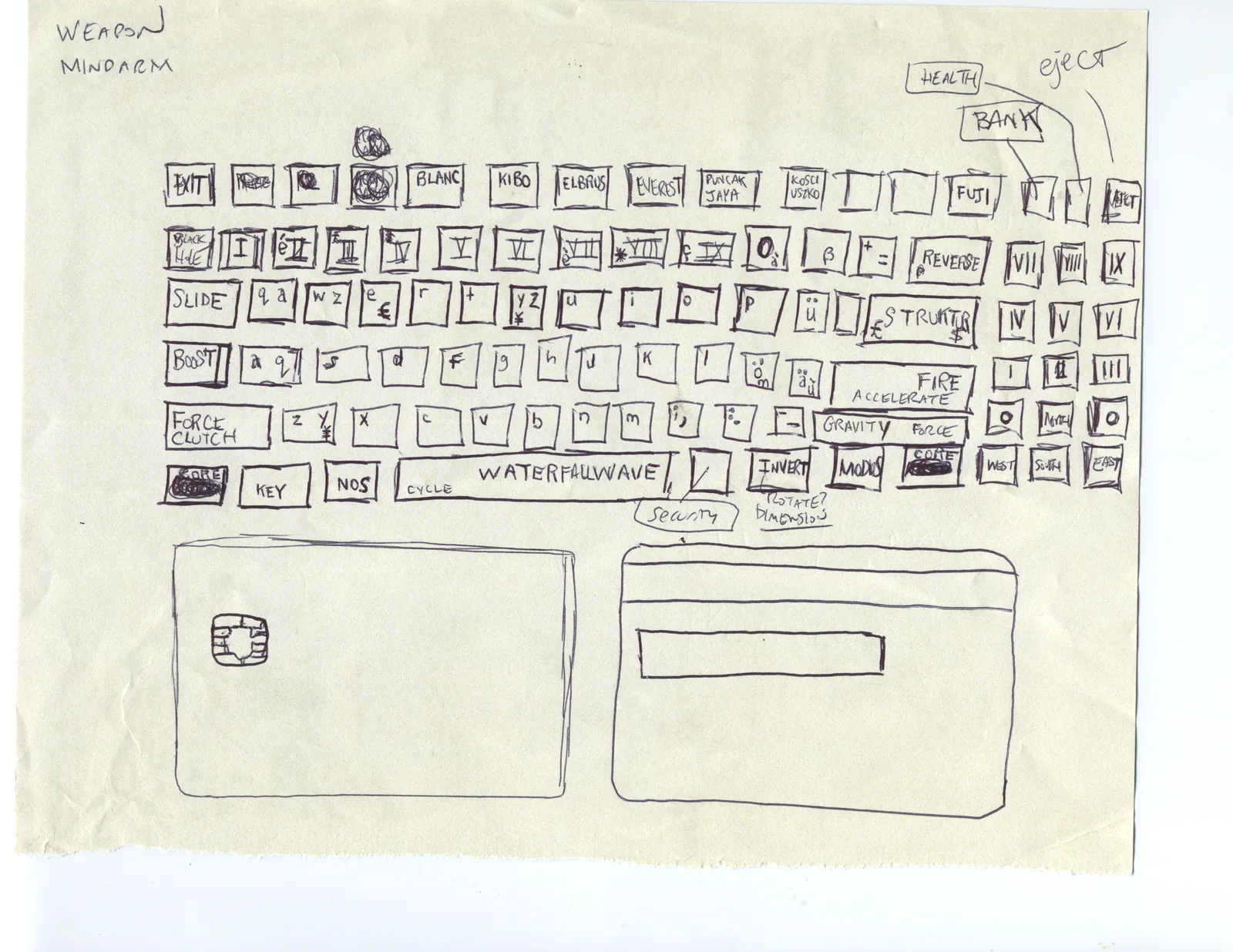
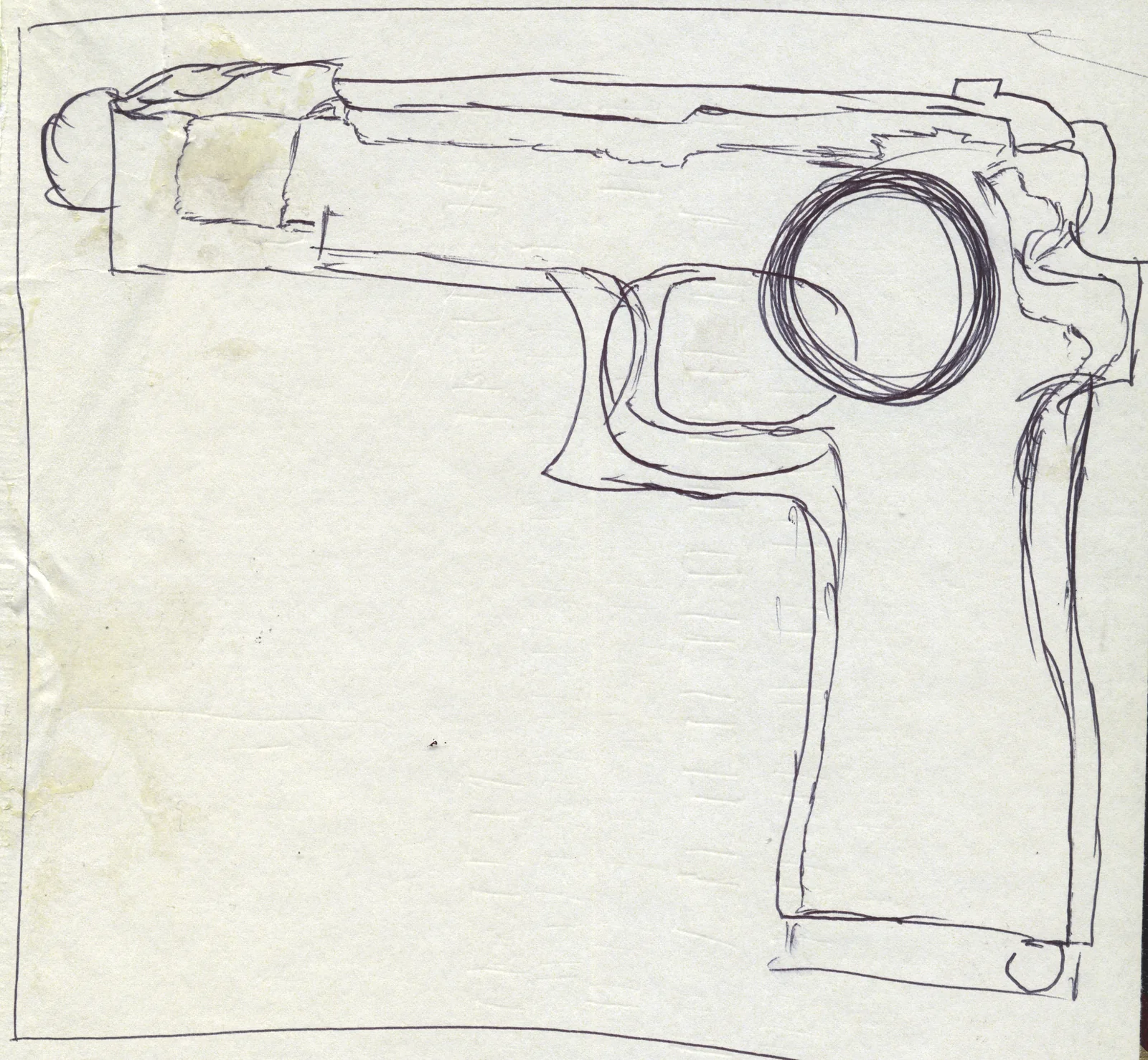
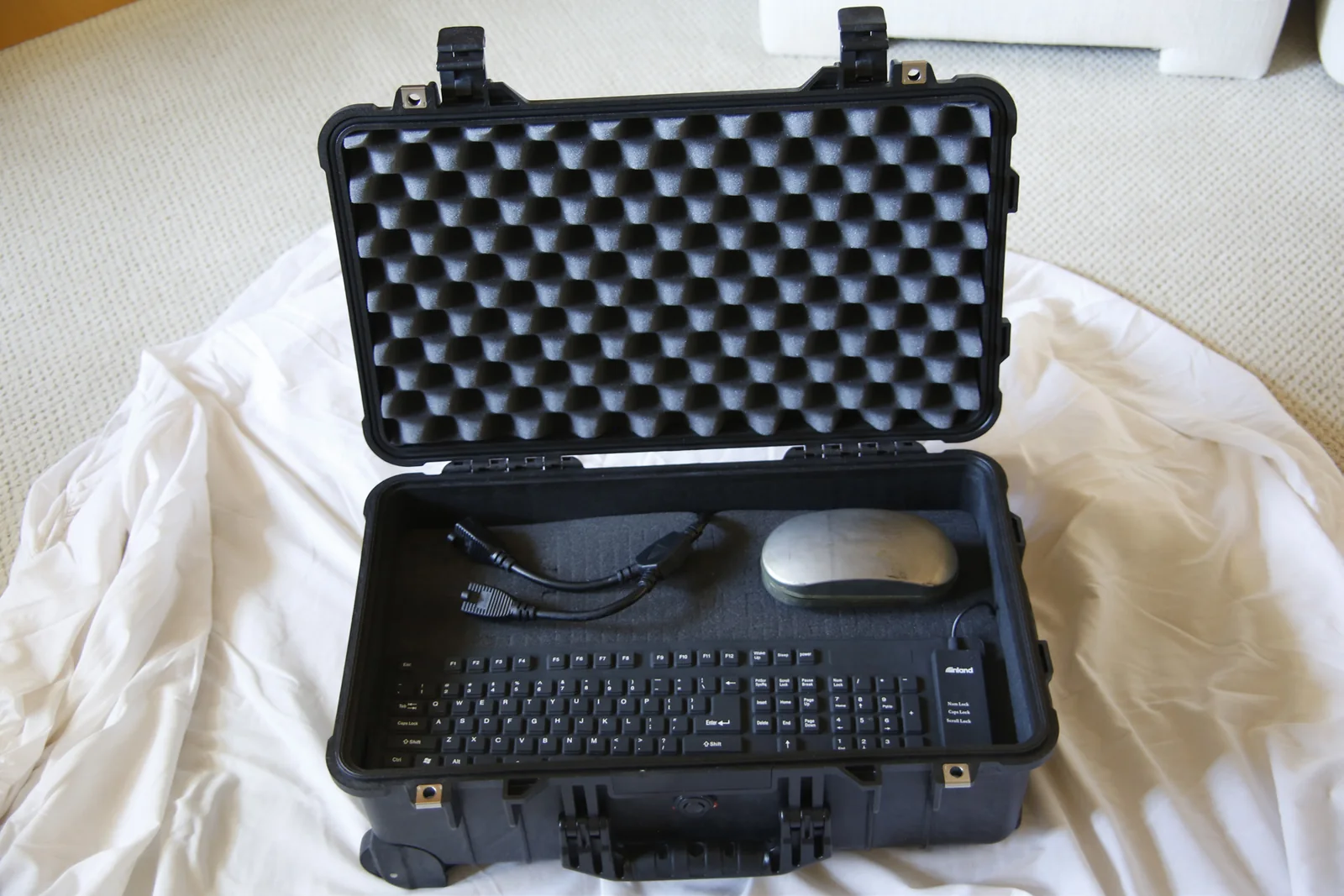
Design for a computer housed in a sealed, waterproof, fire-resistant case, to be sold with its controller, keyboard, screen, and phone, with full parts lists. Its keyboard, the General Board, and its mouse, the General Arm, were drawn by hand.
The General Board sets keys named like a car’s controls (Boost, Force Clutch, Accelerate, Reverse) beside the letters, so system settings change without leaving the keyboard. The hardware notes, from January 2019, also call for keys that light up and relabel themselves for each program, keeping a program’s commands apart from the system’s.
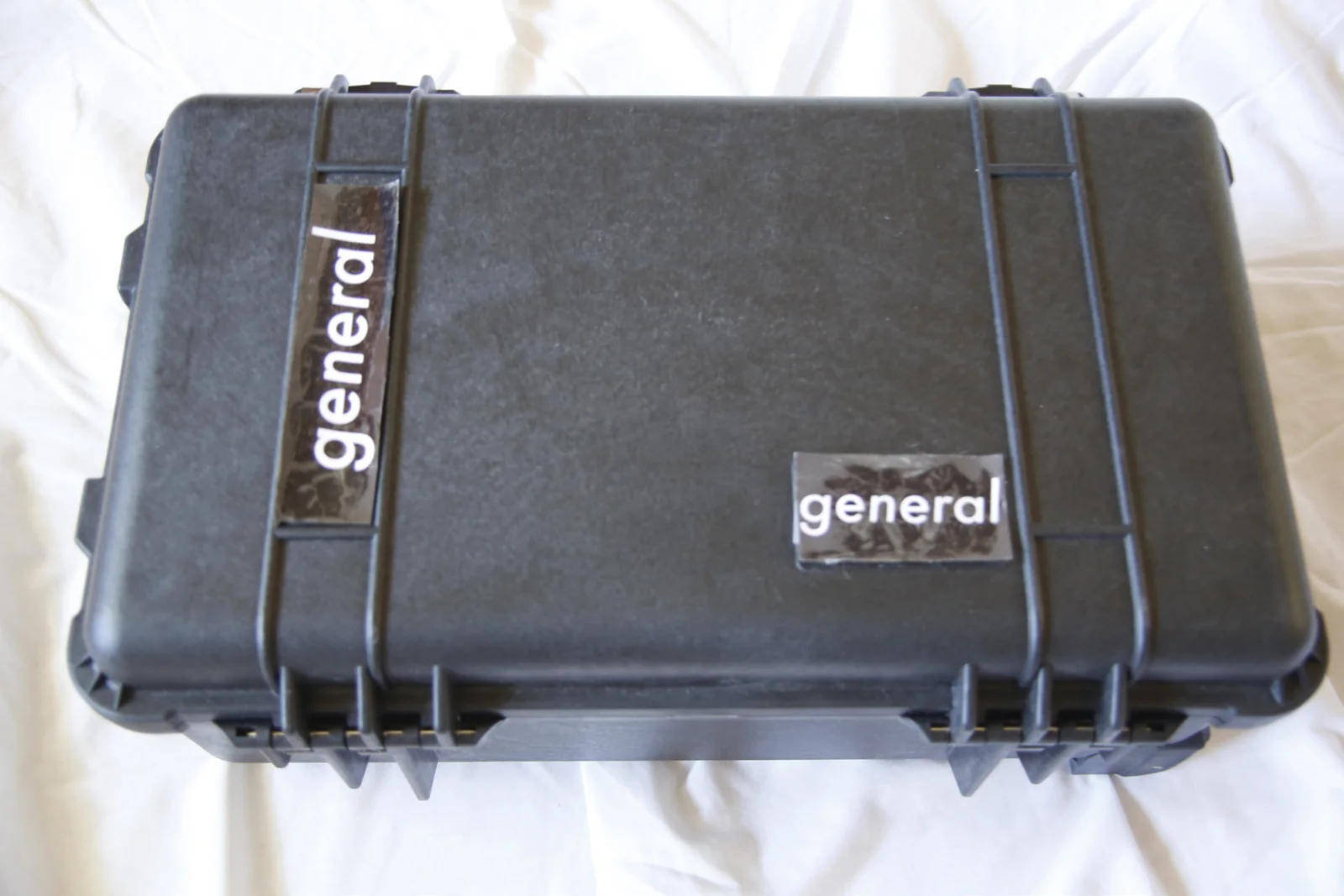
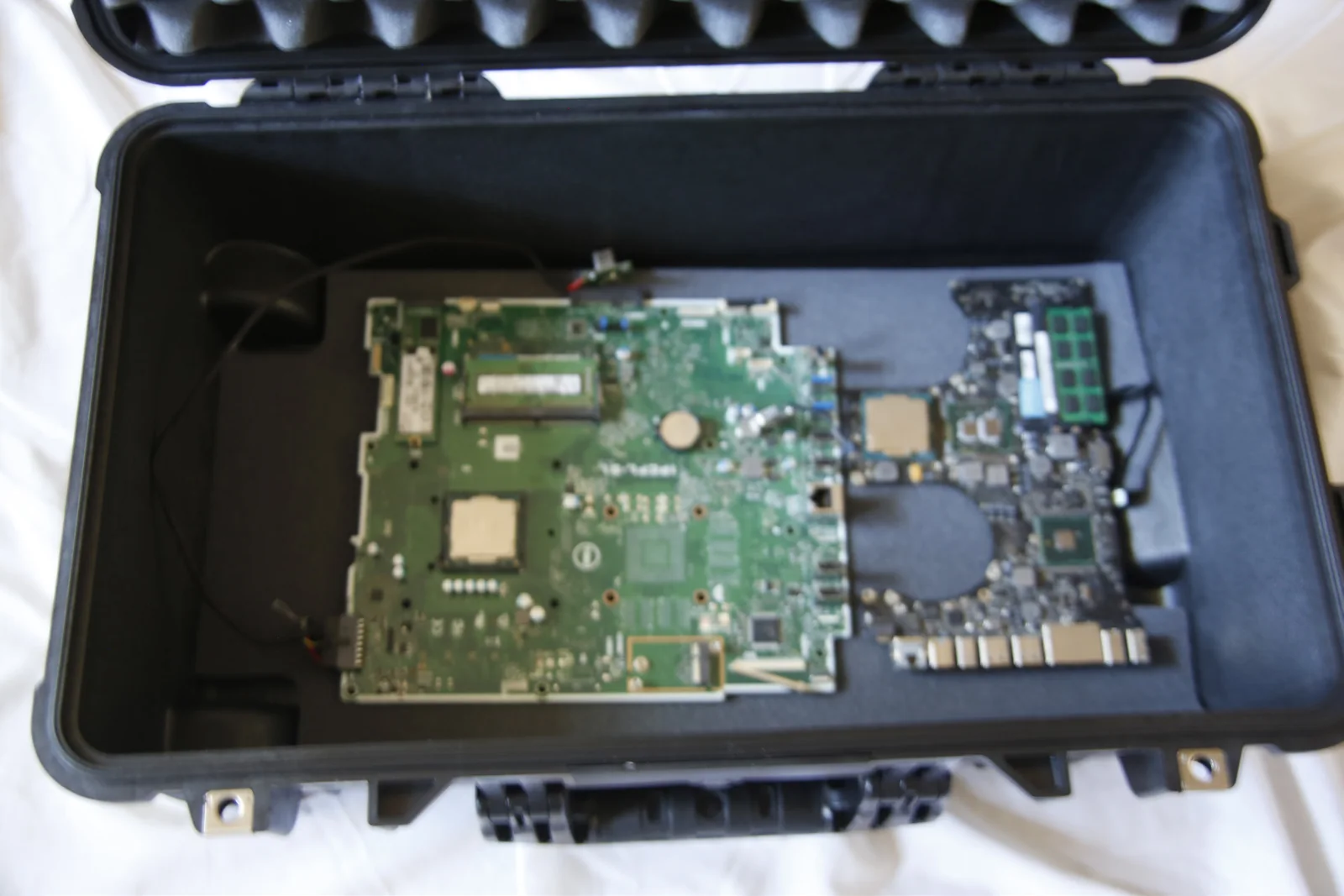
In 2022 it became a prototype, the General Komputer Maschine III: a hard case branded general, with the keyboard, cables, and a portable case in its top layer and the boards, processor, and wiring in the foundation layer beneath.
Natural Operating System
Design for a desktop and mobile operating environment with an interface that adapts to its user, with license terms and a 62-page owner’s manual draft. In 2020 Ian Bloom configured, compiled, and installed a custom Linux kernel from source as its base.
Its design notes, saved in January 2019, start from an all-black screen with a single command line: text first, no mouse, and more of the system shown as the user’s commands grow more advanced. The desktop keeps a globe in view, with clocks for several time zones and gauges for how the user’s actions affect the machine, and the system picks up its user’s habits and starts doing them automatically, which the user can keep or change.